
Table of Contents
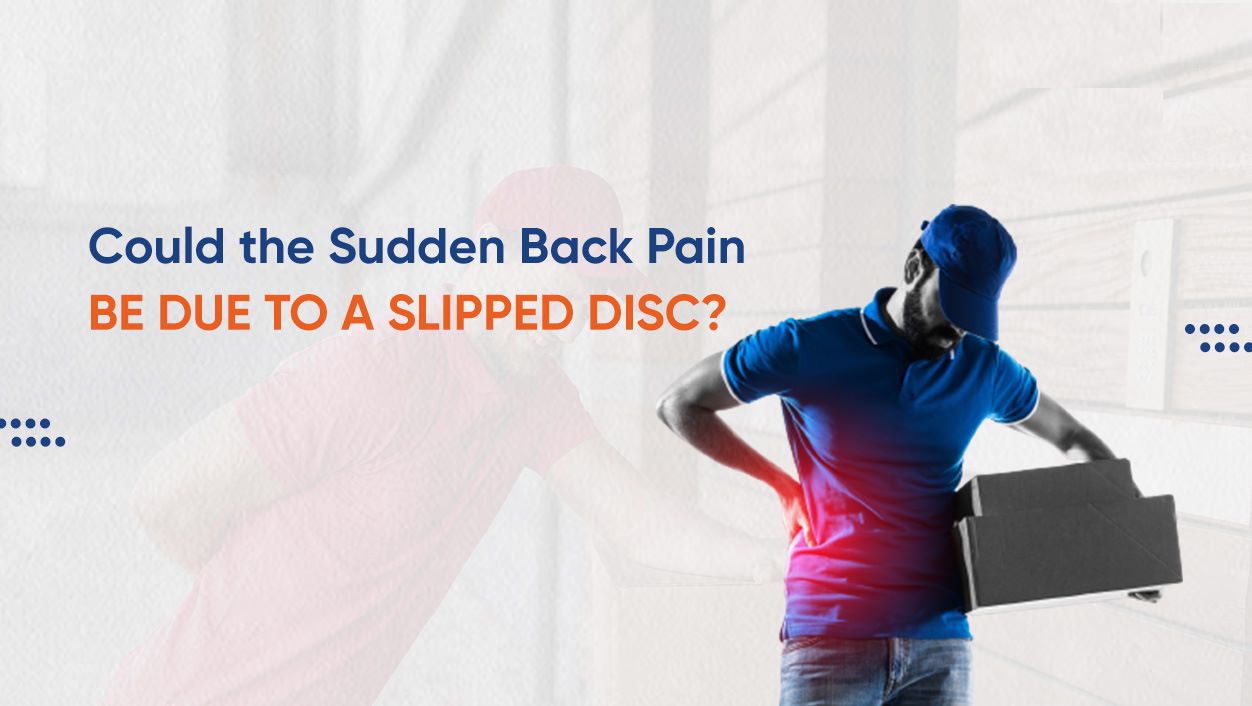
Could Sudden Back Pain Be Due to a Slipped Disc?
Back pain is a common health problem affecting people of all ages. However, when pain appears suddenly and becomes severe, it may be caused by a slipped disc. A slipped disc, also known as a herniated disc, occurs when the soft cushion between the bones of the spine moves out of place and presses on nearby nerves.
The spine is made up of bones called vertebrae that are separated by soft discs. These discs act as shock absorbers and allow the spine to bend and move smoothly. When a disc becomes damaged or ruptures, it can cause pain, numbness, and weakness.
At Tambaram Medical Center, our specialists diagnose and treat spinal conditions including slipped discs and other causes of back pain.
What Is a Slipped Disc?
A slipped disc occurs when the inner gel-like portion of a spinal disc pushes through a tear in the outer layer. This can irritate nearby nerves and cause pain that may spread to other parts of the body.
Slipped discs most commonly occur in the lower back (lumbar spine), but they can also develop in the neck or upper back.
Symptoms of a Slipped Disc
The symptoms of a slipped disc depend on the location of the affected disc and the severity of nerve compression. Common symptoms include:
• Sudden or severe back pain
• Pain that radiates down the arms or legs
• Numbness or tingling in the limbs
• Muscle weakness
• Difficulty bending or moving
Causes of a Slipped Disc
Several factors can increase the risk of developing a slipped disc.
Age-related degeneration: As people age, spinal discs lose flexibility and become more prone to tearing.
Heavy lifting: Improper lifting techniques can place excessive strain on the spine.
Sudden injury: Accidents or falls may cause a disc to slip or rupture.
Sedentary lifestyle: Lack of exercise may weaken muscles that support the spine.
How Is a Slipped Disc Diagnosed?
Doctors diagnose a slipped disc by reviewing symptoms, medical history, and conducting a physical examination. In some cases, imaging tests such as X-rays, CT scans, or MRI scans may be recommended to confirm the diagnosis.
Treatment Options for a Slipped Disc
Many slipped discs improve with conservative treatment and do not require surgery.
Rest and activity modification: Avoiding activities that strain the back can help the disc heal.
Medications: Pain relievers and anti-inflammatory medications may help reduce discomfort.
Physical therapy: Exercises can strengthen the muscles that support the spine and improve mobility.
Surgery: In severe cases where symptoms do not improve with conservative treatment, surgical procedures may be recommended.
When Should You See a Doctor?
If sudden back pain is accompanied by numbness, weakness, or difficulty moving, it is important to seek medical attention. Early diagnosis and treatment can prevent complications and improve recovery.
If you are experiencing persistent back pain or symptoms of a slipped disc, you can contact us to schedule a consultation with our specialists.
Conclusion
A slipped disc is a common cause of sudden back pain. While the condition can be painful, early treatment and proper medical care can help manage symptoms and restore mobility.
The medical team at Tambaram Medical Center provides expert care for spinal disorders and musculoskeletal conditions.