

Table of Contents
Creatinine Levels Explained: What Your Kidney Test Results Mean
Creatinine is a waste product produced during normal muscle metabolism. Healthy kidneys filter creatinine from the blood and remove it through urine. When kidney function declines, creatinine levels in the bloodstream may rise. Understanding creatinine levels is an important part of evaluating kidney health and detecting kidney disease early.
At Tambaram Medical Center, our specialists help patients understand kidney test results and provide advanced care for kidney conditions across Tambaram and Chennai.
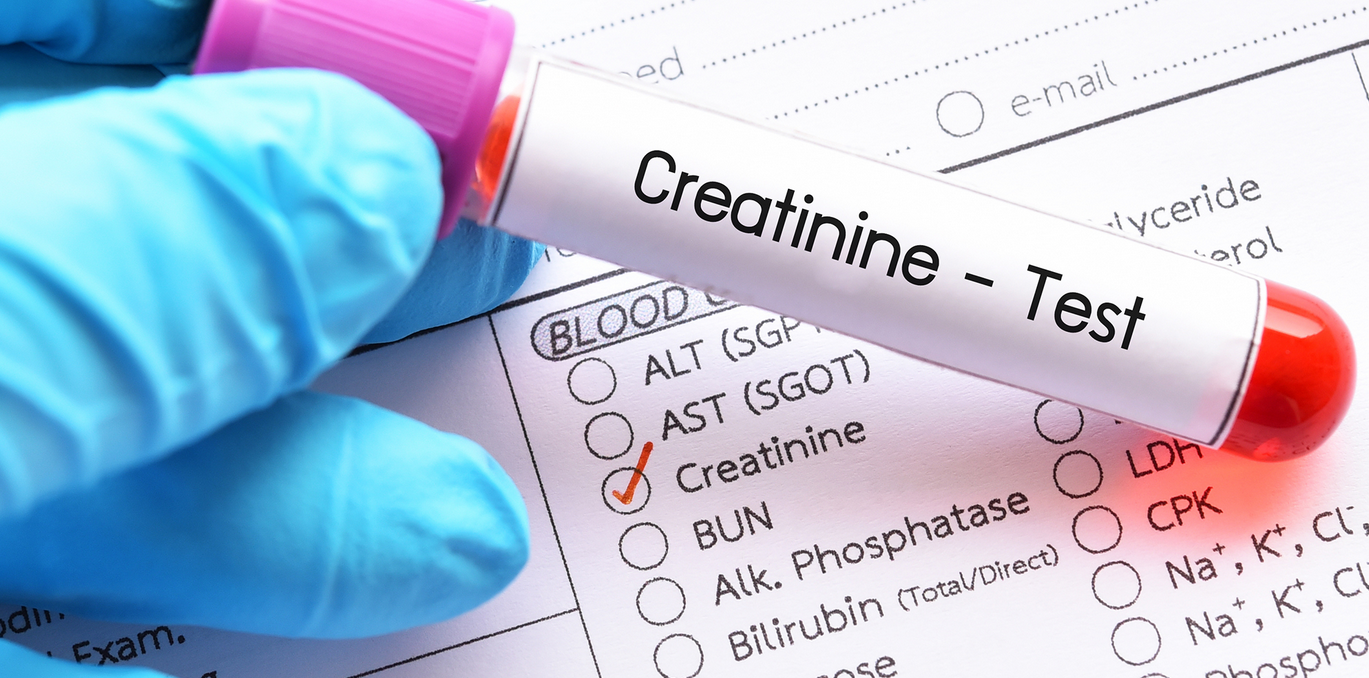
Creatinine blood test used to measure kidney function and detect kidney disease.
What Is Creatinine?
Creatinine is a chemical waste product produced from muscle activity. Because the kidneys filter creatinine from the blood, doctors often measure creatinine levels to evaluate kidney function.
Normal Creatinine Levels
- Adult men: 0.7 to 1.3 mg/dL
- Adult women: 0.6 to 1.1 mg/dL
Higher or lower levels may indicate kidney issues or other medical conditions.
Why Creatinine Levels Matter
Creatinine levels are used to estimate the glomerular filtration rate (eGFR), which measures how effectively the kidneys filter waste from the blood.
Causes of High Creatinine Levels
- Chronic kidney disease
- Kidney infections
- Kidney stones
- Severe dehydration
- Certain medications
Kidney stones can affect kidney function and increase creatinine levels. Learn more here: Kidney Stones.
Symptoms of High Creatinine
- Fatigue
- Swelling in feet and ankles
- Reduced urination
- Nausea
- High blood pressure
Creatinine Blood Test
A creatinine blood test measures the amount of creatinine in the bloodstream. Doctors may also perform urine tests and imaging tests to determine the cause of abnormal kidney function.
When Should You See a Nephrologist?
If blood tests show abnormal creatinine levels, consulting a kidney specialist is recommended. Our team provides expert care through our Nephrology services in Chennai.
Preventing Kidney Disease
- Drink adequate water
- Control blood pressure
- Manage diabetes
- Maintain a healthy diet
- Avoid unnecessary medications
You can also contact us to schedule a consultation with our specialists.
Frequently Asked Questions
What is a dangerous creatinine level?
Creatinine levels significantly above the normal range may indicate kidney dysfunction and require medical evaluation.
Can dehydration increase creatinine levels?
Yes, dehydration can temporarily increase creatinine levels because it reduces blood flow to the kidneys.
How can creatinine levels be reduced?
Managing underlying conditions, staying hydrated, and following medical advice can help reduce creatinine levels.
What foods help reduce creatinine?
A kidney-friendly diet with reduced sodium and balanced protein intake may help manage creatinine levels.