

Table of Contents
Gestational Diabetes: Causes, Symptoms and Treatment
Gestational diabetes is a type of diabetes that develops during pregnancy when the body cannot produce enough insulin to meet increased hormonal demands. This condition results in elevated blood sugar levels and may affect both the mother and the developing baby if not properly managed.
Although gestational diabetes usually resolves after childbirth, it requires careful monitoring and treatment during pregnancy to prevent complications. Women diagnosed with gestational diabetes should consult an experienced specialist such as the best diabetologist in Chennai at Tambaram Medical Center for safe and effective diabetes management.
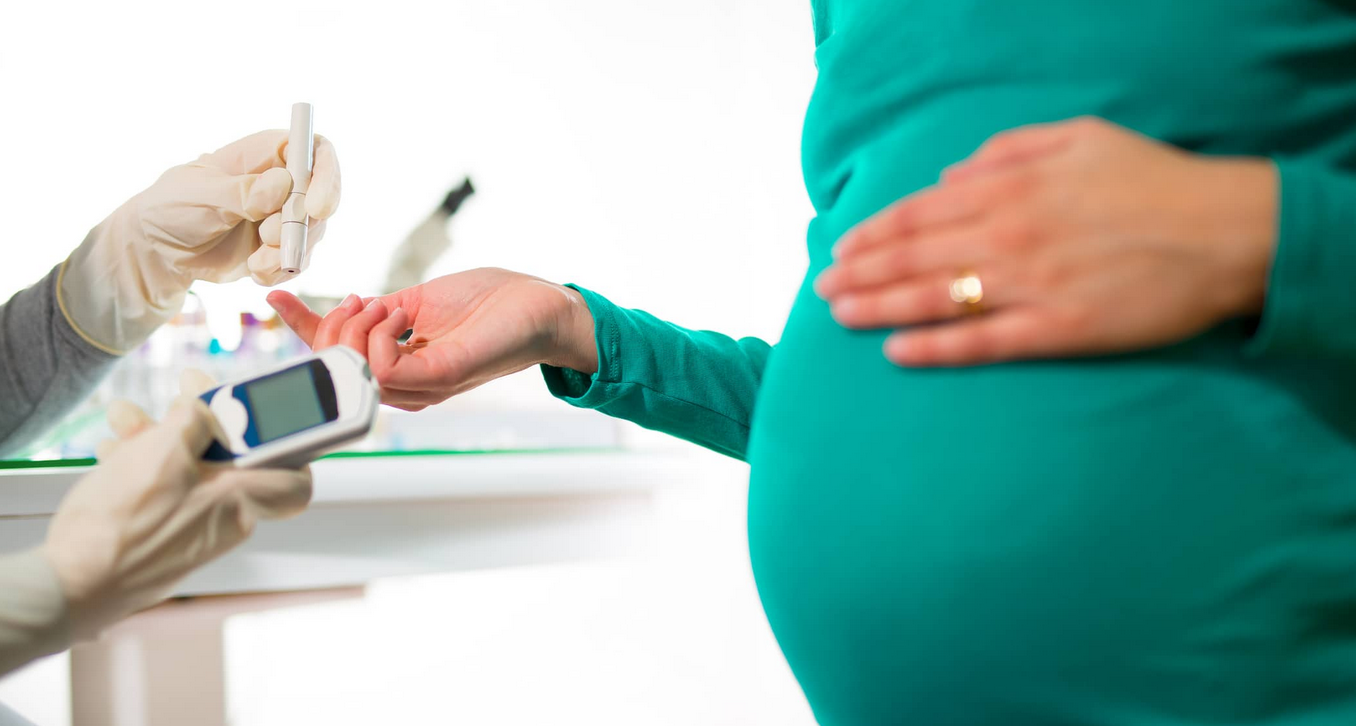 What is Gestational Diabetes?
Gestational diabetes occurs when hormonal changes during pregnancy affect the body’s ability to use insulin effectively. As pregnancy progresses, the placenta produces hormones that may interfere with insulin function, causing blood glucose levels to rise.
This condition usually develops during the second or third trimester of pregnancy and often disappears after delivery. However, women who develop gestational diabetes have a higher risk of developing type 2 diabetes later in life.
Causes of Gestational Diabetes
Gestational diabetes develops when the body cannot produce enough insulin to overcome insulin resistance caused by pregnancy hormones.
- Hormonal changes during pregnancy
- Insulin resistance
- Family history of diabetes
- Overweight or obesity
- History of gestational diabetes in previous pregnancies
Risk Factors for Gestational Diabetes
- Age above 25 years
- Family history of diabetes
- Overweight or obesity
- Polycystic ovary syndrome (PCOS)
- Previous pregnancy with gestational diabetes
- High blood pressure
Symptoms of Gestational Diabetes
Many women with gestational diabetes may not experience noticeable symptoms. However, some possible symptoms include:
- Increased thirst
- Frequent urination
- Fatigue
- Blurred vision
- Frequent infections
Women experiencing these symptoms during pregnancy should seek medical evaluation promptly.
Diagnosis of Gestational Diabetes
Doctors diagnose gestational diabetes using blood glucose testing during pregnancy.
- Glucose Challenge Test
- Oral Glucose Tolerance Test
- Fasting Blood Sugar Test
These tests help determine whether blood sugar levels are within a healthy range during pregnancy.
Complications of Gestational Diabetes
If not properly managed, gestational diabetes may cause complications for both the mother and the baby.
Possible complications for the baby
- High birth weight
- Premature birth
- Low blood sugar after birth
- Higher risk of developing obesity or diabetes later in life
Possible complications for the mother
- High blood pressure
- Increased likelihood of cesarean delivery
- Higher risk of developing type 2 diabetes later
Treatment and Management of Gestational Diabetes
Healthy Diet
A balanced diet helps maintain stable blood sugar levels during pregnancy. Women can learn more about diet management from our article on diabetes diet.
Regular Exercise
Moderate physical activity helps improve insulin sensitivity and regulate blood sugar levels.
Blood Sugar Monitoring
Regular monitoring allows doctors to track blood glucose levels and adjust treatment if necessary.
Medication or Insulin Therapy
If lifestyle changes alone cannot control blood sugar levels, doctors may recommend medication or insulin therapy.
Prevention of Gestational Diabetes
- Maintain a healthy weight before pregnancy
- Follow a balanced diet
- Exercise regularly
- Attend regular prenatal checkups
When to See a Diabetologist
Women diagnosed with gestational diabetes should work closely with healthcare professionals to manage blood sugar levels throughout pregnancy.
At Tambaram Medical Center, patients receive expert care and guidance for diabetes management during pregnancy. You can book an appointment or contact us for consultation.
Frequently Asked Questions
1. What causes gestational diabetes?
Gestational diabetes occurs due to hormonal changes during pregnancy that cause insulin resistance.
2. Is gestational diabetes temporary?
Yes, gestational diabetes usually resolves after childbirth but increases the risk of type 2 diabetes later.
3. Can gestational diabetes harm the baby?
If uncontrolled, it may lead to high birth weight and other complications.
4. How is gestational diabetes diagnosed?
Doctors diagnose gestational diabetes using glucose screening tests during pregnancy.
5. Can gestational diabetes be prevented?
Healthy lifestyle habits and maintaining a healthy weight may reduce the risk.
6. Do all pregnant women get tested for gestational diabetes?
Most pregnant women are screened between 24 and 28 weeks of pregnancy.
7. Can exercise help control gestational diabetes?
Yes, moderate physical activity helps improve blood sugar control.
8. Do women with gestational diabetes need insulin?
Some women may require insulin if diet and exercise are not sufficient.
9. Will gestational diabetes affect future pregnancies?
Women who had gestational diabetes have a higher risk of developing it again in future pregnancies.
10. Where can I consult a diabetologist in Chennai?
Tambaram Medical Center provides expert consultation and treatment for diabetes during pregnancy.