

Table of Contents
Diabetes and Kidney Disease: How Diabetes Damages Kidneys
Diabetes is one of the leading causes of chronic kidney disease (CKD) worldwide. When blood sugar levels remain high for long periods, they can damage the tiny blood vessels in the kidneys, affecting their ability to filter waste and excess fluids from the body. This condition is commonly known as diabetic kidney disease or diabetic nephropathy.
Early diagnosis and proper diabetes management are essential to prevent kidney damage. Patients with diabetes should undergo regular medical checkups and consult the best diabetologist in Chennai at Tambaram Medical Center for comprehensive diabetes care.
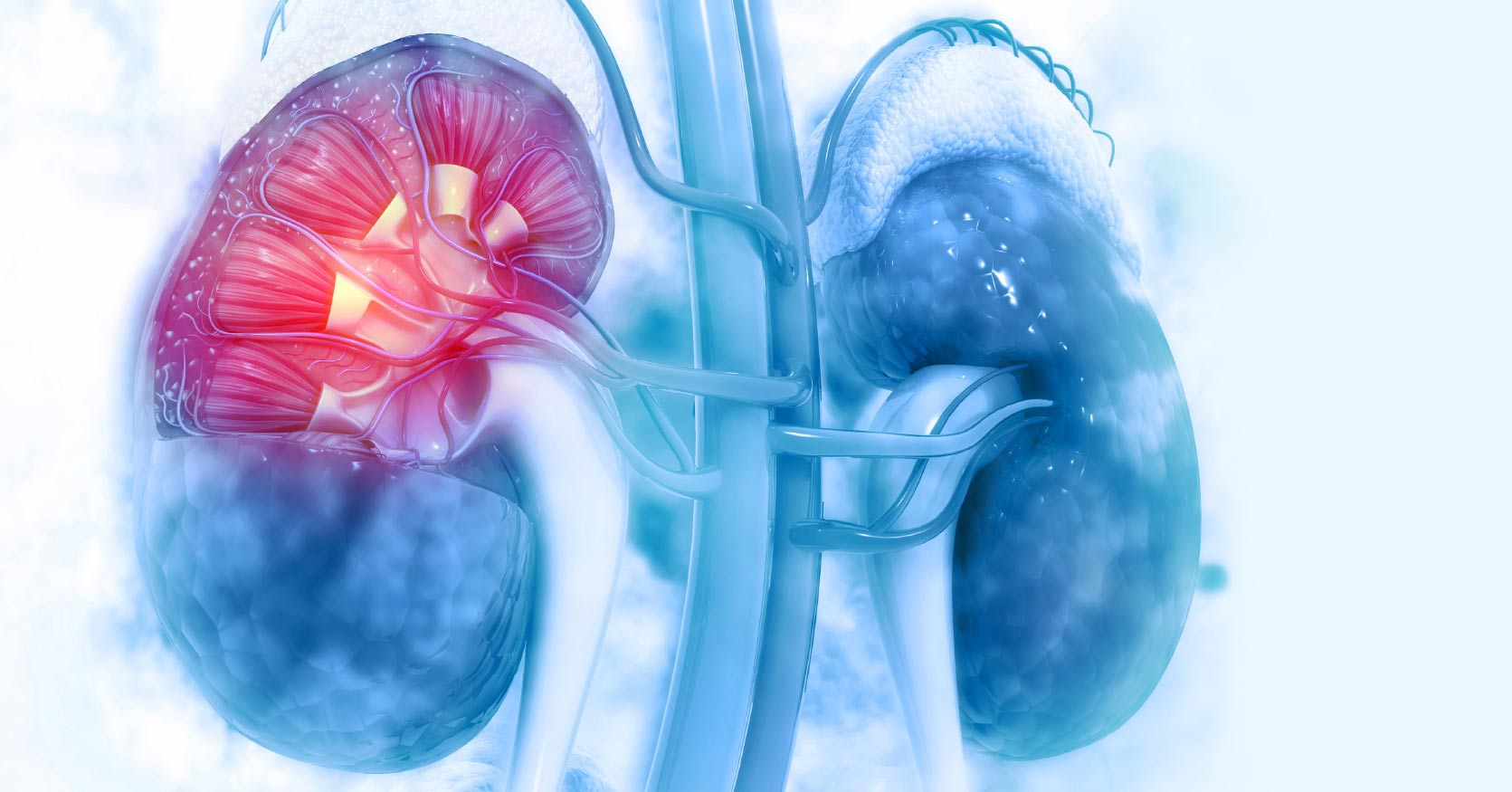 What is Diabetic Kidney Disease?
Diabetic kidney disease occurs when prolonged high blood sugar levels damage the small blood vessels (glomeruli) in the kidneys. These structures are responsible for filtering waste and excess fluid from the blood.
Over time, kidney function gradually declines, which may eventually lead to chronic kidney disease or kidney failure.
How Diabetes Damages the Kidneys
High blood sugar levels place stress on the kidneys and damage the delicate filtering units. The kidneys begin to leak small amounts of protein into the urine, which is one of the earliest signs of kidney damage.
Without proper treatment, this damage can worsen and reduce the kidneys’ ability to function normally.
Risk Factors for Diabetic Kidney Disease
- Poor blood sugar control
- High blood pressure
- Long duration of diabetes
- Family history of kidney disease
- High cholesterol levels
- Smoking
Symptoms of Diabetic Kidney Disease
Kidney disease often develops gradually and may not cause noticeable symptoms in the early stages.
- Swelling in the legs, ankles or feet
- Fatigue and weakness
- Frequent urination
- Loss of appetite
- Nausea or vomiting
- Difficulty concentrating
Patients experiencing these symptoms should seek medical evaluation promptly.
Diagnosis of Diabetic Kidney Disease
Doctors diagnose diabetic kidney disease using several tests to evaluate kidney function.
- Urine test for protein (albumin)
- Blood tests to measure creatinine levels
- Estimated glomerular filtration rate (eGFR)
- Imaging tests of the kidneys
Patients can learn more about diabetes testing in our article on fasting blood sugar vs HbA1c.
Complications of Diabetic Kidney Disease
- Chronic kidney disease
- High blood pressure
- Fluid retention
- Electrolyte imbalance
- Kidney failure
In advanced stages, patients may require specialized care from a kidney specialist or dialysis treatment.
Treatment and Management
Blood Sugar Control
Maintaining healthy blood sugar levels is the most important step in preventing kidney damage.
Blood Pressure Management
Controlling blood pressure helps protect kidney function and slow disease progression.
Medications
Doctors may prescribe medications to protect the kidneys and control diabetes.
Lifestyle Changes
- Follow a healthy diet
- Exercise regularly
- Avoid smoking
- Maintain a healthy weight
Patients can read our articles on diabetes diet and exercise for diabetes to learn more about lifestyle management.
Prevention of Diabetic Kidney Disease
- Monitor blood sugar regularly
- Attend regular medical checkups
- Maintain healthy blood pressure levels
- Follow a balanced diet
- Exercise regularly
When to See a Diabetologist
If you have diabetes, routine screening for kidney disease is essential. Early detection helps prevent serious complications.
Tambaram Medical Center provides expert diabetes care and screening for diabetes complications. You can book an appointment or contact us for consultation.
Frequently Asked Questions
1. Can diabetes cause kidney disease?
Yes, prolonged high blood sugar levels can damage the kidneys and lead to diabetic kidney disease.
2. What are the early signs of diabetic kidney disease?
Early signs include protein in urine and mild swelling in the legs or feet.
3. Can diabetic kidney disease be prevented?
Maintaining healthy blood sugar levels and blood pressure can reduce the risk.
4. How is diabetic kidney disease diagnosed?
Doctors diagnose it using urine tests, blood tests and kidney function tests.
5. Is kidney damage from diabetes reversible?
Early stages may be managed effectively with proper treatment and lifestyle changes.
6. Can diabetes lead to kidney failure?
Yes uncontrolled diabetes may eventually lead to kidney failure.
7. What tests detect kidney damage in diabetes?
Urine albumin tests, creatinine blood tests and eGFR are commonly used.
8. Can diet help protect kidneys?
Yes a healthy diet can help protect kidney function and manage diabetes.
9. When is dialysis required?
Dialysis may be needed in advanced kidney failure when the kidneys cannot filter waste effectively.
10. Where can I consult a diabetologist in Chennai?
Tambaram Medical Center offers expert diabetes consultation and treatment services.