

Table of Contents
Diabetes Complications: What Happens if Diabetes Is Not Controlled
Diabetes is a chronic health condition that affects how the body processes glucose (blood sugar). When diabetes is not properly controlled, high blood sugar levels can damage many organs and systems in the body. Over time, uncontrolled diabetes may lead to serious complications affecting the heart, kidneys, nerves, eyes, and blood vessels.
Understanding the complications of diabetes is essential because early diagnosis, treatment, and lifestyle changes can significantly reduce these risks. Patients concerned about their blood sugar levels can consult the best diabetologist in Chennai at Tambaram Medical Center for proper evaluation and diabetes management.
 Why Uncontrolled Diabetes is Dangerous
When blood glucose levels remain elevated for long periods, it damages blood vessels and nerves. These changes affect the body’s ability to function normally and may lead to long‑term health complications.
Over time, uncontrolled diabetes can lead to problems affecting the heart, kidneys, eyes, nerves, and immune system.
Common Diabetes Complications
1. Heart Disease
People with diabetes have a higher risk of developing heart disease, including coronary artery disease, heart attack, and stroke. High blood sugar can damage blood vessels and increase cholesterol levels.
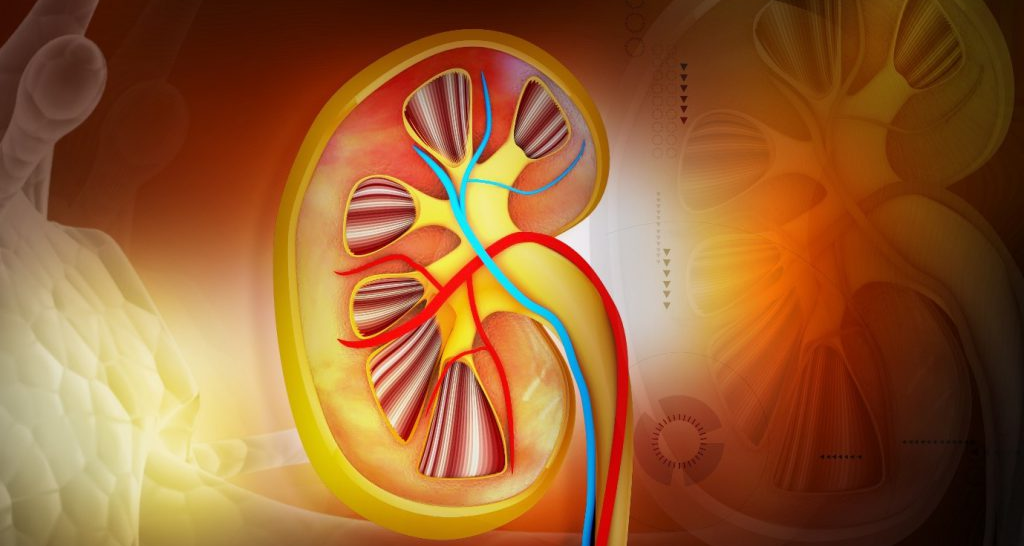
2. Kidney Disease (Diabetic Nephropathy)
Diabetes is one of the leading causes of kidney disease. High blood sugar levels damage the small blood vessels in the kidneys, reducing their ability to filter waste from the bloodstream.
Patients experiencing kidney complications may require consultation with a kidney specialist.
3. Nerve Damage (Diabetic Neuropathy)
Prolonged high blood sugar can damage nerves throughout the body. This condition is known as diabetic neuropathy and may cause tingling, numbness, burning sensations, or pain in the hands and feet.
4. Eye Problems (Diabetic Retinopathy)
High blood sugar can damage the blood vessels in the retina, leading to diabetic retinopathy. If untreated, it may cause vision loss or blindness.
5. Foot Complications
Diabetes can cause nerve damage and poor circulation in the feet. Minor injuries may develop into serious infections if not treated promptly.
6. Skin Infections
People with uncontrolled diabetes may experience frequent bacterial or fungal infections due to weakened immune defenses.
7. Slow Healing Wounds
High blood sugar affects blood circulation and immune function, which slows the healing process for cuts and wounds.
Short-Term Complications of Diabetes
Hyperglycemia
Hyperglycemia occurs when blood sugar levels become excessively high. Symptoms include frequent urination, thirst, fatigue, and blurred vision.
Hypoglycemia
Hypoglycemia occurs when blood sugar levels drop too low, often due to medication or insulin imbalance. Symptoms include dizziness, sweating, confusion, and weakness.
How to Prevent Diabetes Complications
Although diabetes complications can be serious, they can often be prevented or delayed through proper management.
- Monitor blood sugar regularly
- Follow a healthy diabetes diet
- Exercise regularly
- Take medications as prescribed
- Attend regular medical checkups
Patients can also read our articles on diabetes diet and type 2 diabetes to learn more about managing the condition.
When to See a Diabetologist
If you experience symptoms such as excessive thirst, frequent urination, fatigue, or blurred vision, it is important to seek medical advice.
At Tambaram Medical Center, patients receive comprehensive diabetes care including diagnosis, treatment, and lifestyle counseling. You can book an appointment or contact us for consultation.
Frequently Asked Questions
1. What are the major complications of diabetes?
Major complications include heart disease, kidney disease, nerve damage, eye problems, and foot complications.
2. Can diabetes cause kidney failure?
Yes, uncontrolled diabetes can damage the kidneys and eventually lead to kidney failure.
3. Can diabetes affect the eyes?
Yes, diabetes can damage the retina and cause diabetic retinopathy, which may lead to vision loss.
4. How can diabetes complications be prevented?
Maintaining healthy blood sugar levels through diet, exercise, medication, and regular monitoring can prevent complications.
5. Does diabetes increase heart disease risk?
Yes, diabetes significantly increases the risk of heart disease and stroke.
6. Can diabetes damage nerves?
Yes, prolonged high blood sugar can damage nerves and cause diabetic neuropathy.
7. Why do diabetes patients develop foot problems?
Nerve damage and poor circulation in the feet increase the risk of infections and foot ulcers.
8. Is uncontrolled diabetes life-threatening?
Yes, severe complications of uncontrolled diabetes can become life-threatening if not treated.
9. Can diabetes complications be reversed?
Some complications can be managed or slowed with proper treatment and lifestyle changes.
10. Where can I consult a diabetologist in Chennai?
Tambaram Medical Center provides expert consultation and treatment for diabetes management.