
Table of Contents
Diabetic Retinopathy: How Diabetes Affects Your Eyes
Diabetic retinopathy is a serious eye condition that develops as a complication of diabetes. It occurs when high blood sugar levels damage the small blood vessels in the retina, the light‑sensitive tissue at the back of the eye. If left untreated, diabetic retinopathy can lead to vision impairment and even permanent blindness.
Early detection and proper diabetes management are essential to prevent vision loss. Patients with diabetes should undergo regular eye examinations and consult specialists such as the best diabetologist in Chennai at Tambaram Medical Center for comprehensive diabetes care.
 What is Diabetic Retinopathy?
Diabetic retinopathy occurs when prolonged high blood sugar levels damage the delicate blood vessels that supply the retina. Over time, these blood vessels may leak fluid or bleed, leading to swelling of the retina and impaired vision.
The condition usually develops gradually and may not cause noticeable symptoms in the early stages, which is why regular eye checkups are important for people living with diabetes.
Stages of Diabetic Retinopathy
1. Mild Non‑Proliferative Retinopathy
Small areas of swelling occur in the tiny blood vessels of the retina.
2. Moderate Non‑Proliferative Retinopathy
Blood vessels that supply the retina may become blocked, reducing blood flow.
3. Severe Non‑Proliferative Retinopathy
Many retinal blood vessels become blocked, depriving the retina of oxygen and nutrients.
4. Proliferative Diabetic Retinopathy
This advanced stage involves the growth of abnormal blood vessels in the retina, which can bleed and cause severe vision problems.
Causes of Diabetic Retinopathy
- Prolonged high blood sugar levels
- Poor diabetes control
- High blood pressure
- High cholesterol levels
- Long duration of diabetes
Symptoms of Diabetic Retinopathy
- Blurred or distorted vision
- Dark spots or floaters
- Difficulty seeing at night
- Sudden vision loss in severe cases
People experiencing these symptoms should seek medical evaluation promptly.
Diagnosis of Diabetic Retinopathy
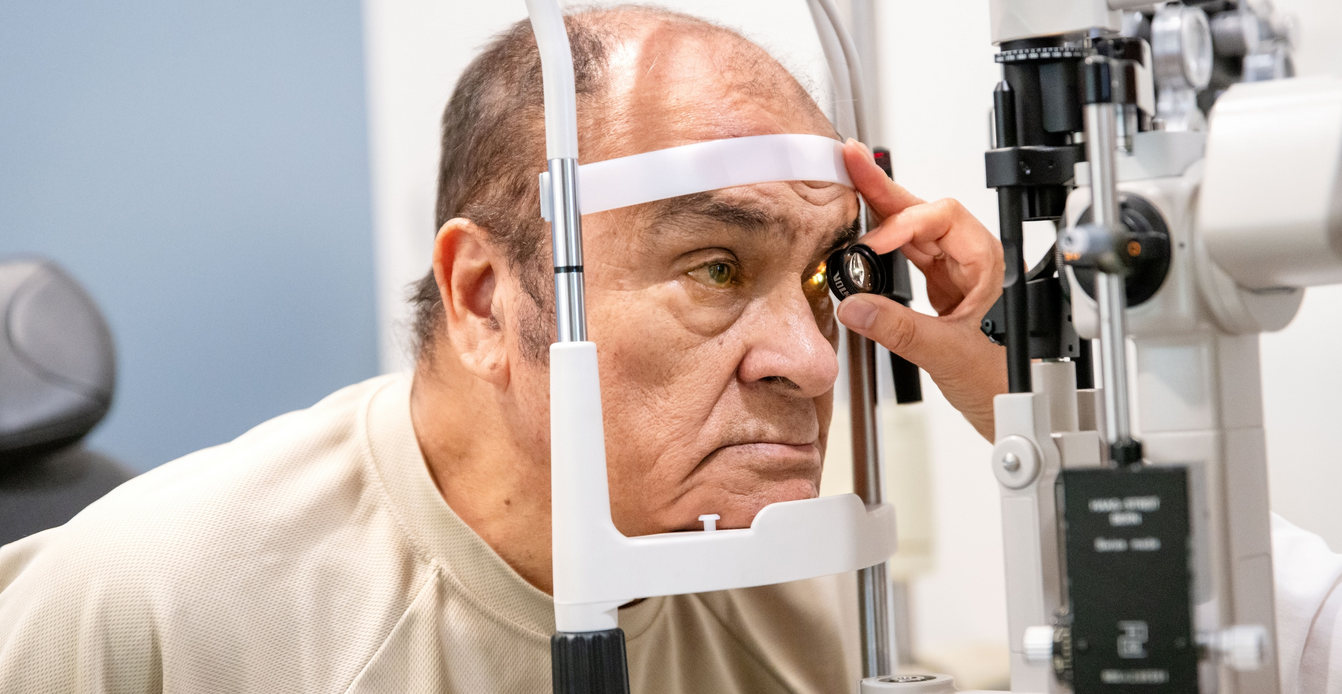
Doctors diagnose diabetic retinopathy through comprehensive eye examinations.
- Dilated eye examination
- Optical coherence tomography (OCT)
- Fluorescein angiography
Monitoring blood sugar levels is also essential. Patients can learn more about diabetes testing in our article on fasting blood sugar vs HbA1c.
Treatment for Diabetic Retinopathy
Blood Sugar Control
Maintaining stable blood sugar levels is the most important step in preventing the progression of diabetic retinopathy.
Laser Therapy
Laser treatment can seal leaking blood vessels and reduce retinal swelling.
Medications
Certain medications may be injected into the eye to reduce inflammation and prevent abnormal blood vessel growth.
Surgery
In advanced cases, surgery may be required to remove blood from the vitreous and repair retinal damage.
Prevention of Diabetic Retinopathy
- Maintain healthy blood sugar levels
- Attend regular eye examinations
- Follow a healthy diet
- Exercise regularly
- Manage blood pressure and cholesterol
Patients can read our articles on diabetes diet and exercise for diabetes to learn more about diabetes management.
When to See a Diabetologist
If you have diabetes, regular medical checkups are important to monitor for complications such as diabetic retinopathy.
Tambaram Medical Center provides expert diabetes care and screening for diabetes complications. You can book an appointment or contact us for consultation.
Frequently Asked Questions
1. What is diabetic retinopathy?
Diabetic retinopathy is an eye condition caused by damage to the retina due to high blood sugar levels.
2. Can diabetic retinopathy cause blindness?
Yes, if untreated, diabetic retinopathy can lead to permanent vision loss.
3. Who is at risk of diabetic retinopathy?
People who have had diabetes for a long time or have poor blood sugar control are at higher risk.
4. How is diabetic retinopathy diagnosed?
It is diagnosed through a dilated eye examination and retinal imaging tests.
5. Can diabetic retinopathy be prevented?
Maintaining good blood sugar control and attending regular eye examinations can help prevent it.
6. What are the early symptoms of diabetic retinopathy?
Early stages may not show symptoms, but blurred vision or floaters may develop later.
7. Is diabetic retinopathy treatable?
Yes treatments such as laser therapy and medications can slow disease progression.
8. How often should diabetics get eye exams?
People with diabetes should have an eye exam at least once a year.
9. Can controlling blood sugar prevent eye damage?
Yes maintaining healthy blood sugar levels significantly reduces the risk of diabetic eye disease.
10. Where can I consult a diabetologist in Chennai?
Tambaram Medical Center offers expert diabetes care and screening for diabetes complications.