
Table of Contents
Fasting Blood Sugar vs HbA1c: Understanding Diabetes Test Results
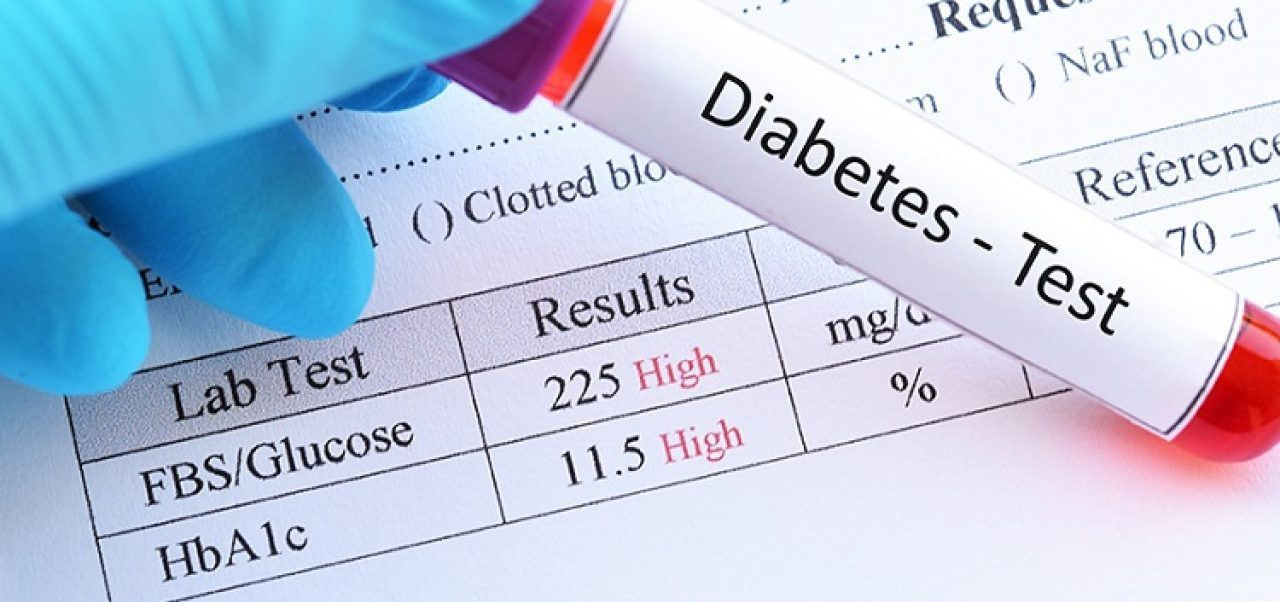
Blood tests play an essential role in diagnosing and managing diabetes. Two of the most commonly used tests are the Fasting Blood Sugar (FBS) test and the HbA1c test. These tests help doctors evaluate blood glucose levels and determine whether a person has diabetes or prediabetes.
At Tambaram Medical Center, patients can consult the best diabetologist in Chennai for accurate diagnosis and effective diabetes management.
What is a Fasting Blood Sugar Test?
The fasting blood sugar test measures the level of glucose in the blood after an overnight fast of at least 8 hours. It is one of the most common tests used to diagnose diabetes and prediabetes.
Because food intake directly affects blood glucose levels, fasting ensures that the test reflects the body’s baseline blood sugar level.
Normal Fasting Blood Sugar Levels
- Normal: 70–99 mg/dL
- Prediabetes: 100–125 mg/dL
- Diabetes: 126 mg/dL or higher
What is the HbA1c Test?
The HbA1c test, also known as the glycated hemoglobin test, measures the average blood sugar levels over the past two to three months. This test reflects how much glucose has attached to hemoglobin in red blood cells.
Unlike a fasting blood sugar test, the HbA1c test does not require fasting and provides a longer-term picture of blood sugar control.
HbA1c Levels and What They Mean
- Normal: Below 5.7%
- Prediabetes: 5.7% – 6.4%
- Diabetes: 6.5% or higher
Key Differences Between Fasting Blood Sugar and HbA1c
| Fasting Blood Sugar | HbA1c Test |
|---|---|
| Measures glucose at a single point in time | Measures average blood sugar over 2–3 months |
| Requires fasting for at least 8 hours | No fasting required |
| Useful for initial diabetes screening | Useful for long-term diabetes monitoring |
Why Both Tests Are Important
Doctors often use both the fasting blood sugar test and HbA1c test together to diagnose diabetes and monitor treatment effectiveness. While the fasting test shows current blood sugar levels, HbA1c reveals long-term glucose control.
Patients experiencing symptoms such as excessive thirst, frequent urination, fatigue, or blurred vision should seek medical advice from an experienced diabetes specialist.
Who Should Get Tested for Diabetes?
- Individuals with a family history of diabetes
- People who are overweight or obese
- Individuals with high blood pressure
- People with sedentary lifestyles
- Women with a history of gestational diabetes
How to Maintain Healthy Blood Sugar Levels
- Follow a balanced diet
- Exercise regularly
- Maintain a healthy weight
- Monitor blood sugar levels regularly
- Consult a diabetologist for proper treatment
Patients can book an appointment or contact us for consultation and diabetes screening.
Frequently Asked Questions
1. Which test is better: fasting blood sugar or HbA1c?
Both tests provide valuable information. Fasting blood sugar measures current glucose levels, while HbA1c shows long-term blood sugar control.
2. Do I need to fast for an HbA1c test?
No, fasting is not required for an HbA1c test.
3. How often should HbA1c be checked?
Most diabetes patients should check HbA1c every three to six months depending on their doctor’s advice.
4. Can fasting blood sugar levels change daily?
Yes, fasting blood sugar levels can vary depending on diet, exercise, stress, and other factors.
5. What HbA1c level indicates diabetes?
An HbA1c level of 6.5% or higher usually indicates diabetes.
6. Can HbA1c detect prediabetes?
Yes, HbA1c levels between 5.7% and 6.4% indicate prediabetes.
7. Why do doctors order both tests?
Doctors use both tests to get a complete picture of short-term and long-term blood sugar control.
8. Can lifestyle changes improve HbA1c?
Yes, healthy diet, regular exercise, and weight management can help improve HbA1c levels.
9. Can diabetes be diagnosed with one test?
Doctors usually confirm diabetes using multiple tests to ensure accurate diagnosis.
10. Where can I get diabetes testing in Chennai?
Tambaram Medical Center provides comprehensive diabetes testing and consultation with experienced diabetologists.