
Table of Contents
HbA1c Test Explained: What Your Results Mean
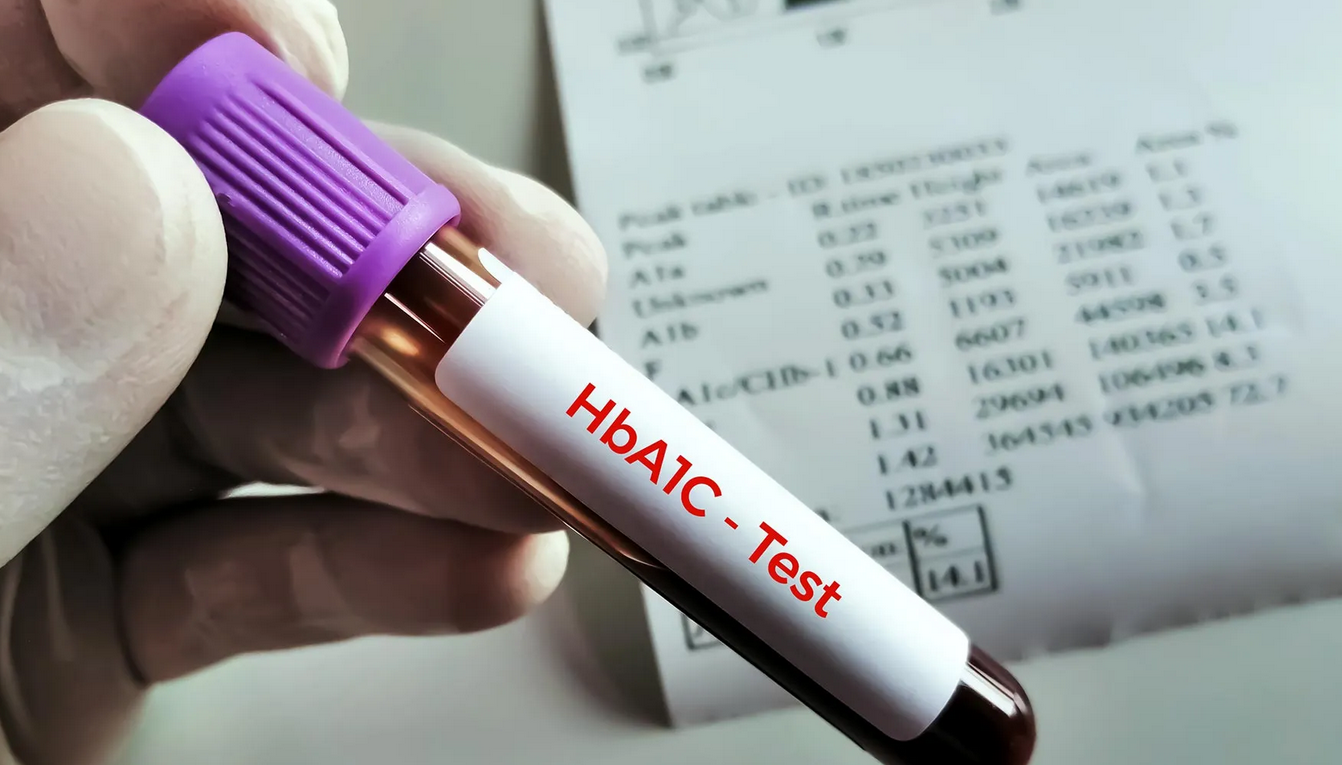
The HbA1c test is one of the most important blood tests used to diagnose and monitor diabetes. It provides an average of your blood sugar levels over the past two to three months, helping doctors understand how well your diabetes is being managed.
Unlike daily blood sugar tests that measure glucose at a specific moment, the HbA1c test reflects long‑term blood sugar control. Patients concerned about diabetes risk can consult the best diabetologist in Chennai at Tambaram Medical Center for accurate diagnosis and personalized treatment.
 What is the HbA1c Test?
The HbA1c test, also called the glycated hemoglobin test, measures the percentage of hemoglobin in the blood that has glucose attached to it. Hemoglobin is a protein in red blood cells that carries oxygen throughout the body.
Because red blood cells live for about three months, the HbA1c test reflects the average blood sugar levels during that time period.
Why the HbA1c Test is Important
- Helps diagnose diabetes and prediabetes
- Measures long‑term blood sugar control
- Guides treatment decisions
- Helps prevent diabetes complications
Normal HbA1c Levels
- Normal: Below 5.7%
- Prediabetes: 5.7% – 6.4%
- Diabetes: 6.5% or higher
Patients can learn more about diabetes testing in our article on fasting blood sugar vs HbA1c.
What Your HbA1c Results Mean
An HbA1c level within the normal range indicates healthy blood sugar regulation. Higher values may indicate prediabetes or diabetes and require medical evaluation.
Below 5.7%
This range is considered normal and indicates healthy blood sugar levels.
5.7% – 6.4%
This range indicates prediabetes and a higher risk of developing type 2 diabetes.
6.5% or Higher
An HbA1c level of 6.5% or higher usually indicates diabetes and requires medical management.
Factors That Affect HbA1c Levels
- Poor diabetes control
- Diet and lifestyle habits
- Medications
- Certain medical conditions
How Often Should HbA1c Be Tested?
Doctors usually recommend HbA1c testing every three to six months for people with diabetes. Individuals at risk of diabetes may require periodic screening.
How to Improve HbA1c Levels
- Follow a healthy diabetes diet
- Exercise regularly
- Monitor blood sugar levels
- Take medications as prescribed
Patients can read our articles on diabetes diet and exercise for diabetes to improve blood sugar control.
When to See a Diabetologist
If your HbA1c levels are higher than normal or if you experience symptoms such as excessive thirst, frequent urination, or fatigue, you should consult a specialist.
Tambaram Medical Center offers comprehensive diabetes diagnosis and treatment services. You can book an appointment or contact us for consultation.
Frequently Asked Questions
1. What does HbA1c measure?
The HbA1c test measures the average blood sugar levels over the past two to three months.
2. What HbA1c level indicates diabetes?
An HbA1c level of 6.5% or higher usually indicates diabetes.
3. Is fasting required for the HbA1c test?
No fasting is required for an HbA1c test.
4. How often should diabetics check HbA1c?
Most patients should test HbA1c every three to six months.
5. Can HbA1c levels be lowered?
Yes lifestyle changes and proper diabetes treatment can help lower HbA1c levels.
6. What is a good HbA1c level for diabetics?
Many doctors recommend maintaining HbA1c below 7% for most patients.
7. Can stress affect HbA1c?
Stress can indirectly affect blood sugar levels and influence HbA1c results.
8. What foods help lower HbA1c?
Fiber‑rich foods such as vegetables, whole grains and legumes support blood sugar control.
9. Can exercise improve HbA1c?
Yes regular physical activity helps improve insulin sensitivity.
10. Where can I consult a diabetologist in Chennai?
Tambaram Medical Center provides expert diabetes consultation and treatment services.