
Table of Contents
Prediabetes: Symptoms, Causes and Prevention
Prediabetes is a health condition in which blood sugar levels are higher than normal but not high enough to be diagnosed as type 2 diabetes. It is considered a warning sign that the body is beginning to have difficulty regulating glucose levels. Without timely intervention, prediabetes can progress to type 2 diabetes and lead to long-term health complications.
The good news is that prediabetes can often be reversed with early lifestyle changes and medical guidance. Patients concerned about blood sugar levels can consult the best diabetologist in Chennai at Tambaram Medical Center for proper diagnosis and prevention strategies.
 What is Prediabetes?
Prediabetes occurs when the body begins to develop insulin resistance. Insulin is the hormone responsible for helping glucose enter the cells to be used as energy. When the body becomes resistant to insulin, glucose starts accumulating in the bloodstream.
Although prediabetes does not always cause noticeable symptoms, it significantly increases the risk of developing type 2 diabetes, heart disease, and other metabolic disorders.
Blood Sugar Levels for Prediabetes
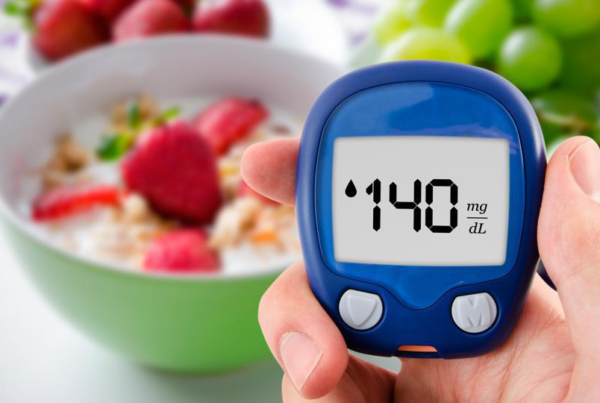
- Fasting Blood Sugar: 100–125 mg/dL
- HbA1c Level: 5.7% – 6.4%
- Oral Glucose Tolerance Test: 140–199 mg/dL
Patients can read more about diabetes testing in our article on fasting blood sugar vs HbA1c.
Common Symptoms of Prediabetes
Many people with prediabetes do not experience obvious symptoms. However, some early warning signs may appear.
1. Increased Thirst
Elevated blood sugar levels may cause excessive thirst as the body tries to balance fluid levels.
2. Frequent Urination
When blood glucose levels increase, the kidneys work harder to remove excess sugar through urine.
3. Fatigue
The body may struggle to use glucose efficiently, leading to persistent tiredness.
4. Blurred Vision
High blood sugar can affect the lens of the eye, causing temporary vision disturbances.
5. Darkened Skin Patches
Dark patches around the neck or underarms may indicate insulin resistance, a condition known as acanthosis nigricans.
For more information about early diabetes symptoms, read our article on early signs of diabetes.
Causes of Prediabetes
Prediabetes develops due to a combination of genetic and lifestyle factors that affect insulin function.
- Insulin resistance
- Overweight or obesity
- Physical inactivity
- Family history of diabetes
- Poor dietary habits
- Hormonal changes
Risk Factors for Prediabetes
- Age over 35
- Family history of diabetes
- High blood pressure
- High cholesterol levels
- History of gestational diabetes
- Sedentary lifestyle
Complications of Untreated Prediabetes
If prediabetes is not managed properly, it can progress to type 2 diabetes and increase the risk of several health conditions.
- Type 2 diabetes
- Heart disease
- Kidney disease
- Nerve damage
- Vision problems
Patients with diabetes-related kidney complications may require consultation with a kidney specialist.
How to Prevent Prediabetes
The progression of prediabetes can often be prevented or delayed through healthy lifestyle changes.
- Maintain a healthy body weight
- Follow a balanced diet
- Exercise regularly
- Limit sugar and processed foods
- Monitor blood sugar levels regularly
When to See a Diabetologist
If you have risk factors for diabetes or experience symptoms such as excessive thirst, fatigue, or frequent urination, it is important to consult a specialist.
At Tambaram Medical Center, patients receive expert evaluation and preventive care. You can book an appointment or contact us for diabetes screening and consultation.
Frequently Asked Questions
1. Can prediabetes be reversed?
Yes, many people can reverse prediabetes through weight loss, healthy diet, and regular physical activity.
2. What is the difference between prediabetes and diabetes?
Prediabetes means blood sugar levels are higher than normal but not high enough to be diagnosed as diabetes.
3. Is prediabetes serious?
Prediabetes is a warning sign that the body is developing insulin resistance and may progress to type 2 diabetes if untreated.
4. How is prediabetes diagnosed?
Doctors diagnose prediabetes using fasting blood sugar, HbA1c, and glucose tolerance tests.
5. Can exercise help prevent diabetes?
Yes, regular physical activity improves insulin sensitivity and helps regulate blood sugar levels.
6. What foods should be avoided in prediabetes?
Foods high in sugar, refined carbohydrates, and processed ingredients should be limited.
7. Who is most at risk of prediabetes?
People who are overweight, inactive, or have a family history of diabetes are at higher risk.
8. Can prediabetes cause symptoms?
Some people may experience fatigue, thirst, frequent urination, or dark skin patches.
9. How often should blood sugar be tested?
People at risk of diabetes should undergo regular blood sugar testing as advised by their doctor.
10. Where can I consult a diabetologist in Chennai?
Tambaram Medical Center offers consultation with experienced diabetologists for diabetes prevention and treatment.