

Table of Contents
Type 2 Diabetes: Causes, Symptoms and Treatment
Type 2 diabetes is one of the most common chronic health conditions affecting millions of people worldwide. It occurs when the body becomes resistant to insulin or when the pancreas does not produce enough insulin to maintain normal blood sugar levels. Without proper treatment and lifestyle management, type 2 diabetes can lead to serious health complications affecting the heart, kidneys, nerves, and eyes.
At Tambaram Medical Center, patients can consult the best diabetologist in Chennai for comprehensive diabetes diagnosis, treatment, and long‑term management.
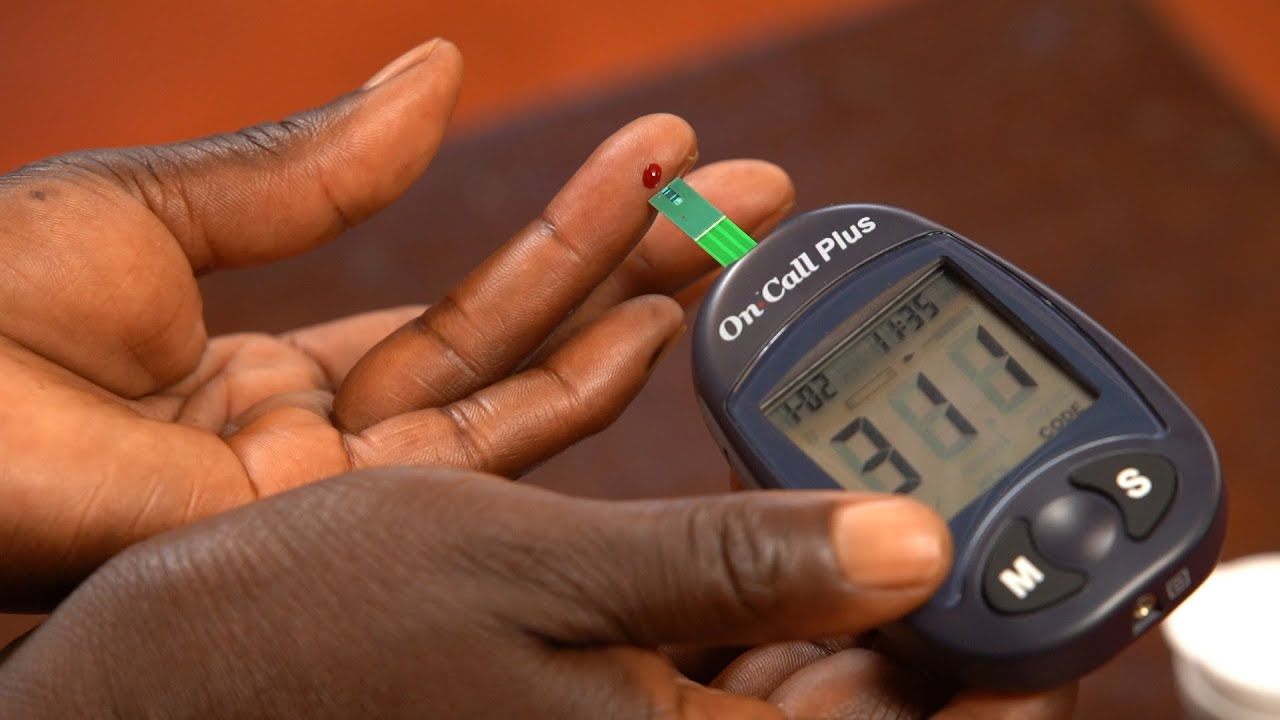 What is Type 2 Diabetes?
Type 2 diabetes is a metabolic disorder in which the body cannot effectively use insulin. Insulin is a hormone produced by the pancreas that allows glucose to enter the body’s cells to be used as energy.
When insulin does not work properly, glucose builds up in the bloodstream. This leads to high blood sugar levels, which over time can damage various organs and tissues.
Causes of Type 2 Diabetes
Type 2 diabetes develops due to a combination of genetic, lifestyle, and environmental factors.
- Insulin resistance
- Family history of diabetes
- Obesity or excess body weight
- Sedentary lifestyle
- Poor dietary habits
- Hormonal imbalances
Common Symptoms of Type 2 Diabetes
1. Frequent Urination
High blood sugar levels force the kidneys to work harder to filter excess glucose from the blood, resulting in frequent urination.
2. Excessive Thirst
Loss of fluids due to frequent urination causes increased thirst in many individuals with diabetes.
3. Increased Hunger
Despite eating regularly, the body may not be able to use glucose effectively, leading to persistent hunger.
4. Fatigue
When glucose cannot enter cells efficiently, the body lacks energy, causing fatigue and weakness.
5. Blurred Vision
High blood sugar levels may cause swelling in the eye lenses, leading to temporary vision problems.
6. Slow Healing Wounds
Diabetes can impair circulation and immune function, causing wounds to heal slowly.
7. Tingling or Numbness
Nerve damage caused by prolonged high blood sugar levels can lead to tingling or numbness in the hands and feet.
Risk Factors for Type 2 Diabetes
- Family history of diabetes
- Overweight or obesity
- Physical inactivity
- High blood pressure
- High cholesterol levels
- History of gestational diabetes
Complications of Type 2 Diabetes
If diabetes is not properly managed, it can lead to serious complications including:
- Heart disease
- Kidney disease
- Nerve damage
- Vision problems
- Foot complications
Patients experiencing kidney complications due to diabetes may require specialized care from a kidney specialist.
Diagnosis of Type 2 Diabetes
Doctors diagnose diabetes using blood tests that measure blood glucose levels.
- Fasting Blood Sugar Test
- HbA1c Test
- Random Blood Sugar Test
- Oral Glucose Tolerance Test
Treatment Options for Type 2 Diabetes
Lifestyle Changes
Healthy lifestyle changes play an important role in managing diabetes effectively.
- Balanced diet
- Regular exercise
- Weight management
- Blood sugar monitoring
Medications
Doctors may prescribe medications to help control blood sugar levels. In some cases, insulin therapy may also be required.
Prevention of Type 2 Diabetes
Although genetic factors cannot be controlled, healthy lifestyle choices can significantly reduce the risk of developing type 2 diabetes.
- Maintain a healthy body weight
- Exercise regularly
- Eat a balanced diet
- Avoid excessive sugar intake
- Regular health checkups
When to See a Diabetologist
If you experience symptoms such as frequent urination, excessive thirst, fatigue, or blurred vision, you should consult a diabetes specialist for evaluation.
At Tambaram Medical Center, patients receive expert diabetes diagnosis and treatment. You can book an appointment or contact us for consultation.
Frequently Asked Questions
1. What causes type 2 diabetes?
Type 2 diabetes occurs when the body becomes resistant to insulin or when the pancreas does not produce enough insulin.
2. Can type 2 diabetes be reversed?
In some cases, lifestyle changes such as weight loss, healthy diet, and exercise can help control or reverse early type 2 diabetes.
3. What is the difference between type 1 and type 2 diabetes?
Type 1 diabetes occurs when the immune system attacks insulin-producing cells, while type 2 diabetes occurs when the body cannot effectively use insulin.
4. How is type 2 diabetes diagnosed?
Doctors diagnose type 2 diabetes using blood tests such as fasting blood sugar and HbA1c tests.
5. Can exercise help control diabetes?
Regular exercise improves insulin sensitivity and helps maintain healthy blood sugar levels.
6. What foods should diabetics avoid?
Foods high in sugar, refined carbohydrates, and processed ingredients should be limited.
7. Is type 2 diabetes hereditary?
Genetics can increase the risk of developing type 2 diabetes.
8. Can diabetes affect the kidneys?
Yes, uncontrolled diabetes can damage the kidneys and lead to diabetic kidney disease.
9. Do diabetes patients need regular monitoring?
Yes, regular blood sugar monitoring helps prevent complications.
10. Where can I consult a diabetologist in Chennai?
Tambaram Medical Center offers consultation with experienced diabetes specialists for diagnosis and treatment.