

Table of Contents
Thyroid Nodule: Causes, Diagnosis and Treatment Options
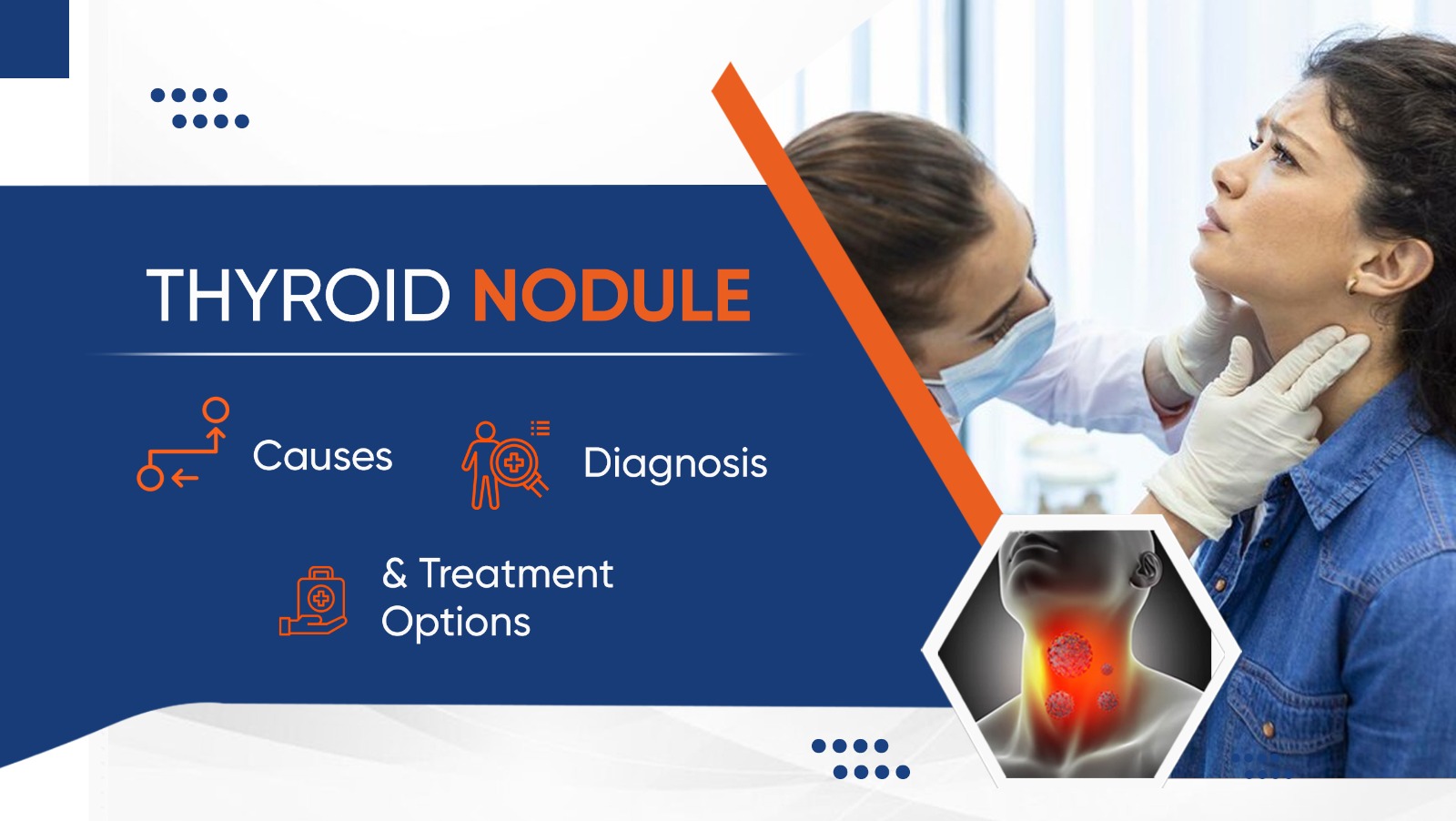
A thyroid nodule is a lump or abnormal growth that develops within the thyroid gland. The thyroid gland is located at the base of the neck and plays an important role in regulating metabolism, heart rate, and body temperature through hormone production. Thyroid nodules can be solid or fluid-filled and are commonly detected during routine medical examinations or imaging tests.
Most thyroid nodules are benign and do not cause serious health problems. However, in some cases they may grow larger or require medical evaluation to rule out thyroid cancer. Early diagnosis and proper evaluation help determine whether the nodule is harmless or requires treatment.
At Tambaram Medical Center, our specialists provide expert diagnosis and treatment for thyroid conditions and other endocrine disorders using modern diagnostic methods and personalized care.
What are the symptoms of thyroid nodules?
Many thyroid nodules do not cause noticeable symptoms and are discovered during routine health examinations. However, larger nodules may cause the following symptoms:
1. A visible or palpable lump in the neck.
2. Difficulty breathing.
3. Difficulty swallowing.
In some cases, thyroid nodules may produce excess thyroid hormone called thyroxine, which can lead to additional symptoms such as:
1. Unexplained weight loss.
2. Anxiety or nervousness.
3. Irregular heartbeat (arrhythmia).
4. Excessive sweating.
5. Tremors.
When should I consult a doctor?
If you experience symptoms such as difficulty swallowing, breathing problems, sudden weight loss, increased heart rate, nervousness, or persistent neck swelling, it is important to seek medical evaluation. Early consultation allows doctors to properly assess the thyroid gland and determine whether additional tests are required.
You can contact us to schedule a consultation with the specialists at Tambaram Medical Center for proper evaluation and treatment.
Common causes of thyroid nodules
Thyroid nodules may develop due to several underlying conditions. Some of the common causes include:
Thyroid tissue overgrowth: Also known as a thyroid adenoma, this occurs when normal thyroid tissue grows excessively. These nodules are usually benign but may require monitoring.
Thyroid cysts: Fluid-filled cysts may form due to degeneration of thyroid adenomas. Most cysts are non-cancerous but should still be evaluated.
Hashimoto’s thyroiditis: This autoimmune condition can cause inflammation of the thyroid gland and may lead to the development of nodules.
Thyroid cancer: In rare cases, thyroid nodules may be cancerous. Nodules that grow rapidly or cause persistent pain should be evaluated immediately.
Goiter: Enlargement of the thyroid gland, particularly multinodular goiter, may result in the formation of multiple nodules.
Iodine deficiency: Lack of iodine in the diet can also contribute to thyroid nodule formation.
Diagnosis of thyroid nodules
Doctors use several diagnostic methods to determine the nature of thyroid nodules and identify whether they require treatment.
Physical examination: The doctor will examine the thyroid gland and check for swelling, difficulty swallowing, or other thyroid-related symptoms.
Thyroid function tests: Blood tests measure thyroid hormone levels to determine whether the thyroid is functioning normally.
Thyroid scan: A radioactive iodine scan may be used to evaluate thyroid nodules and determine how active they are.
Ultrasound: Ultrasound imaging provides detailed information about the size and structure of the thyroid nodules and helps guide treatment decisions.
Fine needle aspiration biopsy: A small sample of cells is collected using a thin needle to check for cancerous cells.
Treatment options for thyroid nodules
Treatment for thyroid nodules depends on the size, type, and cause of the nodule.
Benign nodules: If the nodules are non-cancerous, the doctor may recommend monitoring through regular checkups and ultrasound examinations.
Thyroid hormone therapy: If the thyroid gland is not producing enough hormones, hormone therapy may be prescribed.
Surgery: Nodules that cause breathing or swallowing problems may require surgical removal.
Hyperthyroidism treatment: If the thyroid produces excessive hormones, doctors may recommend:
Radioactive iodine therapy to shrink nodules and reduce symptoms.
Anti-thyroid medications: Medications may be prescribed to control hormone production.
Surgery: In severe cases, partial or complete removal of the thyroid gland may be necessary.
Treatment for cancerous thyroid nodules
Cancerous thyroid nodules are usually treated through surgery. Depending on the severity of the condition, doctors may perform partial or complete removal of the thyroid gland (thyroidectomy).
After surgery, patients may require lifelong thyroid hormone replacement therapy.
In some cases, alcohol ablation may be used to shrink certain nodules by injecting alcohol directly into the nodule.
Final thoughts
Thyroid nodules are common and are usually benign. However, proper evaluation is important to rule out serious conditions. If you notice any unusual swelling in your neck or experience symptoms related to thyroid disorders, consult a healthcare professional for proper diagnosis.
The medical team at Tambaram Medical Center provides expert care and treatment for thyroid disorders and other endocrine conditions.