

Table of Contents
Depression During Pregnancy and After Childbirth: Causes, Symptoms and Treatment
Pregnancy and childbirth are life-changing experiences for women. During this period, the body undergoes significant hormonal, emotional, and physical changes. While many women feel joy and excitement when welcoming a new baby, some may experience emotional distress or depression during pregnancy or after delivery.
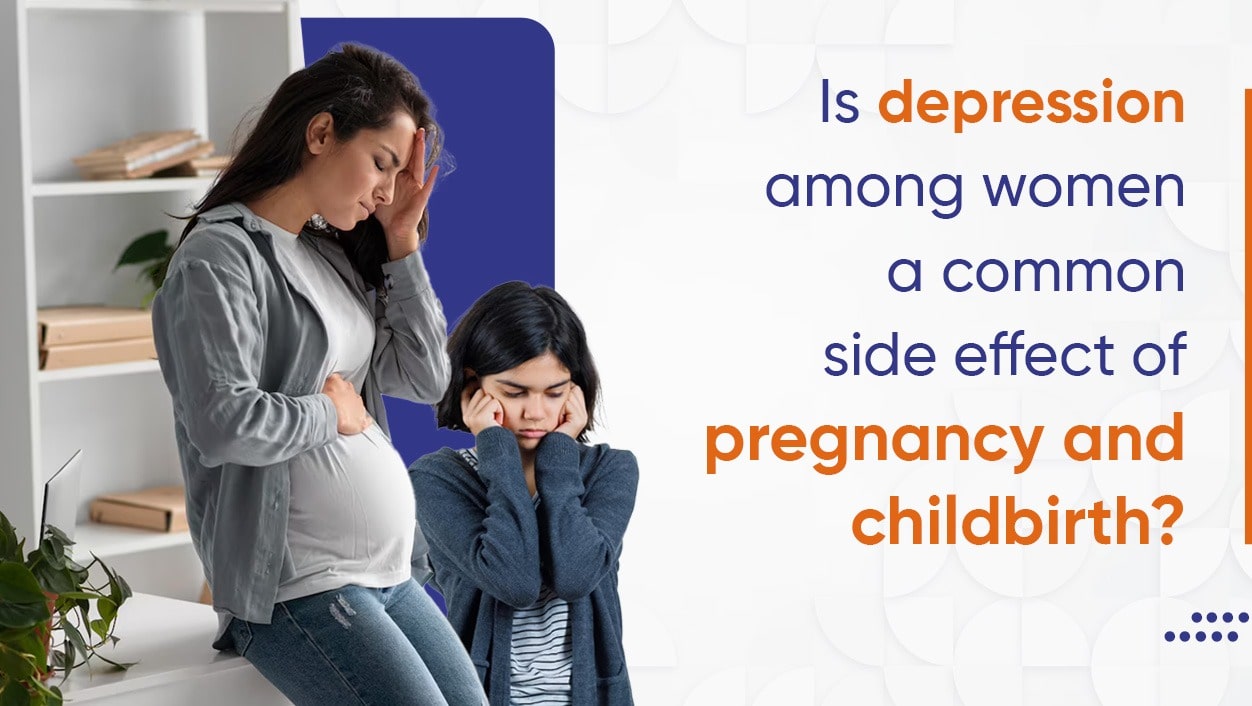
Depression related to pregnancy is often referred to as perinatal depression. This condition includes depression that occurs during pregnancy (prenatal depression) as well as depression that develops after childbirth (postpartum depression). Unfortunately, many women do not recognize the symptoms or seek help, which means the condition often goes untreated.
At Tambaram Medical Center, our healthcare specialists provide support and medical care for women experiencing emotional or mental health concerns during pregnancy and after childbirth.
What is Perinatal Depression?
Perinatal depression is a type of mood disorder that can occur during pregnancy or within the first year after childbirth. It affects a woman’s emotional wellbeing and may interfere with her ability to care for herself and her baby.
Many women experience mild mood changes after childbirth, often referred to as the “baby blues.” However, when sadness, anxiety, or emotional distress lasts longer than two weeks and begins to interfere with daily life, it may indicate postpartum depression.
Causes of Depression During Pregnancy and After Childbirth
Several factors may contribute to depression during pregnancy or after delivery. These include a combination of physical, hormonal, emotional, and lifestyle changes.
Hormonal changes: After childbirth, hormone levels such as estrogen and progesterone drop rapidly. These changes can affect brain chemistry and contribute to mood disorders.
Emotional stress: The responsibility of caring for a newborn, lack of sleep, and lifestyle adjustments can increase emotional stress.
Previous history of depression: Women who have experienced depression or anxiety in the past may be more likely to develop postpartum depression.
Lack of support: Limited family or social support during pregnancy or after childbirth may increase emotional stress.
Complications during pregnancy: Difficult pregnancies or medical complications may also contribute to emotional distress.
Symptoms of Perinatal Depression
The symptoms of depression during pregnancy or after childbirth can vary from person to person. Some of the common symptoms include:
• Persistent sadness or low mood
• Loss of interest in activities
• Difficulty bonding with the baby
• Changes in appetite or sleep patterns
• Fatigue or lack of energy
• Feelings of guilt, hopelessness, or worthlessness
• Difficulty concentrating or making decisions
• Anxiety or panic attacks
If these symptoms persist for more than two weeks or worsen over time, medical evaluation is recommended.
How is Perinatal Depression Diagnosed?
Doctors diagnose perinatal depression through medical history, emotional assessments, and psychological evaluations. During a consultation, a healthcare professional may ask questions about mood changes, sleep patterns, emotional wellbeing, and stress levels.
Early diagnosis helps ensure that women receive appropriate treatment and support.
Treatment Options for Perinatal Depression
Perinatal depression is treatable, and many women recover with proper medical care and emotional support. Treatment options may include:
Counseling or psychotherapy: Talking with a mental health professional can help women manage emotional stress and develop coping strategies.
Support groups: Connecting with other mothers experiencing similar challenges may provide emotional comfort and reassurance.
Medication: In some cases, doctors may prescribe antidepressant medications that are safe during pregnancy or breastfeeding.
Lifestyle changes: Adequate rest, balanced nutrition, and physical activity can help improve mood and overall wellbeing.
When Should You Seek Medical Help?
Women experiencing persistent sadness, anxiety, or emotional distress during pregnancy or after childbirth should seek medical help. Early treatment can prevent symptoms from worsening and help improve both maternal and infant wellbeing.
If you or a loved one is experiencing symptoms of depression during pregnancy or after childbirth, you can contact us to schedule a consultation with our healthcare specialists.
Conclusion
Depression during pregnancy and after childbirth is more common than many people realize. With early diagnosis, proper medical care, and emotional support, women can successfully manage perinatal depression and enjoy a healthy transition into motherhood.
At Tambaram Medical Center, our experienced healthcare professionals provide compassionate care and support for women experiencing mental health challenges during pregnancy and postpartum recovery.