

Table of Contents
Conjunctivitis (Pink Eye): Types, Causes and Treatment Options
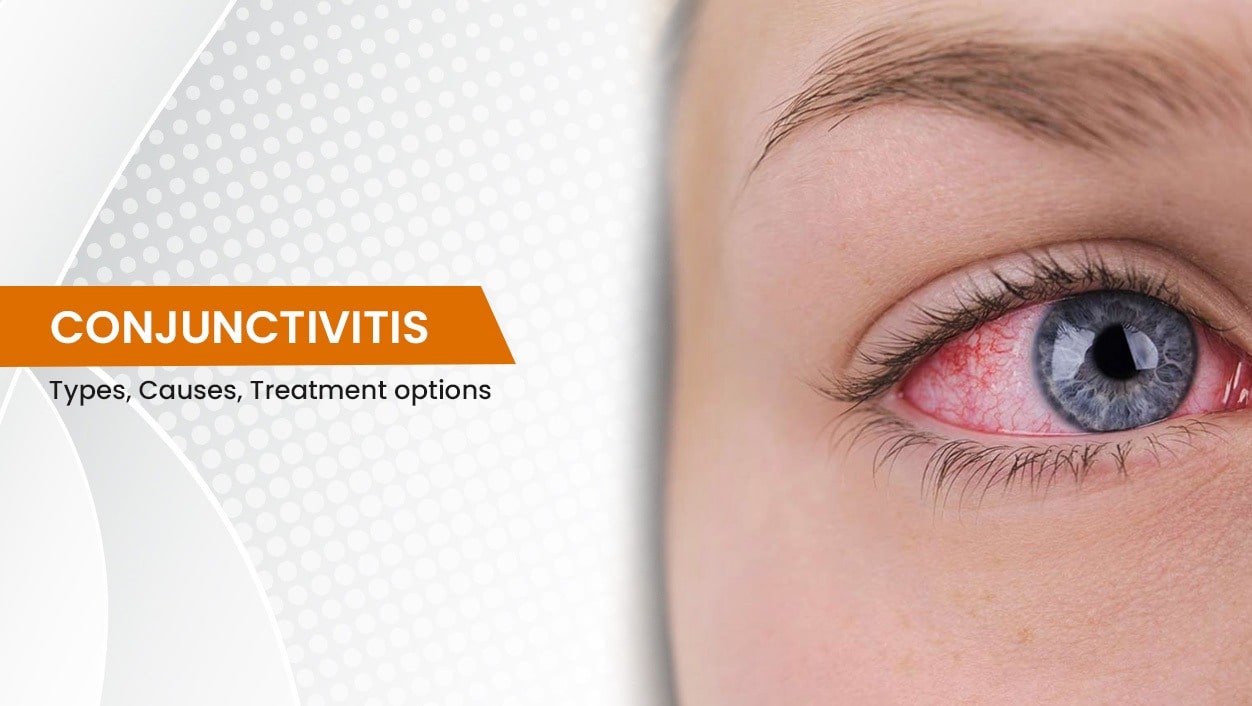
Conjunctivitis, commonly called pink eye, is an eye condition that causes inflammation of the conjunctiva — the thin membrane that covers the white part of the eye and lines the inner eyelids. When this membrane becomes irritated or infected, the eye may appear red, swollen, and watery.
This condition can affect both children and adults. Conjunctivitis is usually mild, but certain types can spread easily or require medical treatment. Early diagnosis can help prevent complications and reduce discomfort.
At Tambaram Medical Center, our specialists diagnose and treat a wide range of eye conditions including conjunctivitis and other eye infections.
What is Conjunctivitis?
Conjunctivitis occurs when the blood vessels in the conjunctiva become inflamed, making the eyes appear pink or red. The condition may affect one or both eyes and can be accompanied by discharge, irritation, or excessive tearing.
Although conjunctivitis often resolves on its own, some cases require treatment depending on the underlying cause.
Types of Conjunctivitis
Viral conjunctivitis: The most common type, often associated with viral infections such as the common cold. It spreads easily through contact with infected surfaces or respiratory droplets.
Bacterial conjunctivitis: Caused by bacteria and usually produces thick yellow or green eye discharge. It may require antibiotic eye drops.
Allergic conjunctivitis: Occurs due to allergens such as pollen, dust, or pet dander. This type usually affects both eyes and causes itching and watering.
Chemical or irritant conjunctivitis: Caused by exposure to irritants such as smoke, pollution, chlorine, or chemical fumes.
Symptoms of Conjunctivitis
Common symptoms include:
• Red or pink eyes
• Itching or burning sensation
• Watery eyes
• Thick eye discharge
• Crusting around eyelids
• Sensitivity to light
• Blurred vision
Causes of Conjunctivitis
Conjunctivitis may occur due to:
• Viral infections
• Bacterial infections
• Allergic reactions
• Exposure to smoke or chemicals
• Poor hygiene or contaminated contact lenses
How is Conjunctivitis Diagnosed?
Doctors diagnose conjunctivitis through a physical examination of the eyes and evaluation of symptoms. In some cases, a sample of eye discharge may be tested to determine whether the infection is viral or bacterial.
Treatment Options for Conjunctivitis
Viral conjunctivitis: Usually resolves within one to two weeks. Cold compresses and lubricating eye drops may help relieve symptoms.
Bacterial conjunctivitis: Antibiotic eye drops or ointments may be prescribed.
Allergic conjunctivitis: Antihistamines and allergy medications may help control symptoms.
Irritant conjunctivitis: Rinsing the eyes with clean water and avoiding the irritant can help reduce inflammation.
When Should You See a Doctor?
Seek medical attention if symptoms worsen, severe pain develops, or vision becomes blurry. Early treatment can help prevent complications.
If you are experiencing symptoms of conjunctivitis, you can contact us to schedule a consultation with our specialists.
Conclusion
Conjunctivitis is a common eye condition that can be caused by infections, allergies, or irritants. While many cases are mild, proper diagnosis and treatment can help relieve symptoms and prevent the spread of infection.
The healthcare team at Tambaram Medical Center provides expert care for a wide range of eye conditions.