

Table of Contents
Dialysis Explained: Types, Procedure, and When It Is Needed
Dialysis is a life‑saving medical treatment used when the kidneys can no longer perform their normal function of filtering waste products and excess fluids from the blood. When kidney function declines severely due to chronic kidney disease or kidney failure, dialysis helps maintain the body’s chemical balance and remove toxins from the bloodstream.
At Tambaram Medical Center, our nephrology specialists provide advanced kidney care and dialysis services for patients across Tambaram and Chennai.
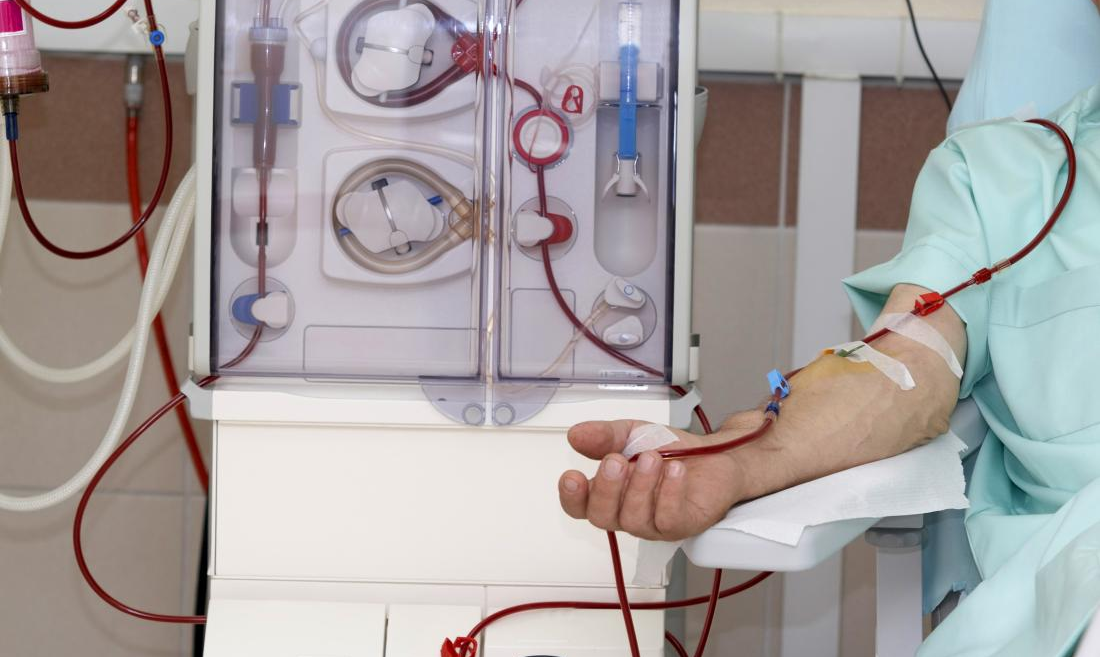
Types of dialysis treatment used for kidney failure including hemodialysis and peritoneal dialysis.
What Is Dialysis?
Dialysis is a medical procedure that performs the essential functions of the kidneys when they are no longer able to work effectively. The treatment removes waste products, balances electrolytes, and controls fluid levels in the body.
Patients with advanced chronic kidney disease or kidney failure may require dialysis as part of their treatment.
Why Dialysis Is Needed
Dialysis becomes necessary when the kidneys lose most of their filtering ability. This condition is commonly referred to as kidney failure or end‑stage renal disease.
Common reasons dialysis may be required include:
- Advanced chronic kidney disease
- Severe kidney failure
- Uncontrolled fluid buildup
- Dangerous electrolyte imbalance
- Toxin accumulation in the blood
Types of Dialysis
1. Hemodialysis
Hemodialysis is the most common type of dialysis. In this procedure, a machine filters the blood outside the body through a special dialyzer before returning it to the bloodstream.
2. Peritoneal Dialysis
Peritoneal dialysis uses the lining of the abdomen (peritoneum) as a natural filter to remove waste products from the blood.
3. Continuous Renal Replacement Therapy (CRRT)
This specialized dialysis treatment is often used in intensive care units for critically ill patients with acute kidney injury.
How the Dialysis Procedure Works
During hemodialysis, blood is removed from the body through a vascular access point, filtered by a dialysis machine, and then returned to the body. Each session usually lasts around three to four hours and may be required several times per week.
Symptoms That May Indicate the Need for Dialysis
- Severe fatigue
- Swelling in legs and ankles
- Persistent nausea
- Difficulty breathing
- High levels of toxins in blood tests
Many of these symptoms may appear in advanced kidney disease. Learn more here: Kidney Failure Symptoms.
Benefits of Dialysis Treatment
- Removes harmful waste from the bloodstream
- Helps maintain electrolyte balance
- Controls fluid levels in the body
- Improves overall quality of life for patients with kidney failure
Our hospital offers modern dialysis services in Tambaram supported by experienced nephrologists.
When Should You See a Nephrologist?
If you have symptoms of kidney disease or abnormal kidney test results, it is important to consult a specialist. Our team provides expert care through our Best Nephrologist in Chennai services.
You can also contact us to schedule a consultation.
Frequently Asked Questions
What does dialysis do?
Dialysis removes waste products, excess fluids, and toxins from the blood when the kidneys cannot perform these functions.
How long does a dialysis session take?
A typical hemodialysis session lasts around three to four hours and may be required multiple times per week.
Is dialysis permanent?
Dialysis may be temporary for some patients with acute kidney injury, but it is often long‑term for those with chronic kidney failure.