
Table of Contents
Creatinine vs eGFR: Understanding Kidney Test Results
Kidney health is often evaluated through blood tests that measure waste products in the body. Two of the most important markers doctors use to assess kidney function are creatinine and estimated glomerular filtration rate (eGFR). Understanding the difference between creatinine vs eGFR can help patients better interpret kidney test results and detect kidney disease early.
At Tambaram Medical Center, our specialists help patients understand their kidney test results and provide comprehensive treatment for kidney conditions.
What Is Creatinine?
Creatinine is a waste product produced during normal muscle metabolism. Healthy kidneys filter creatinine from the blood and remove it through urine. When kidney function declines, creatinine levels rise in the bloodstream.
You can learn more about creatinine levels here: Creatinine Levels Explained.
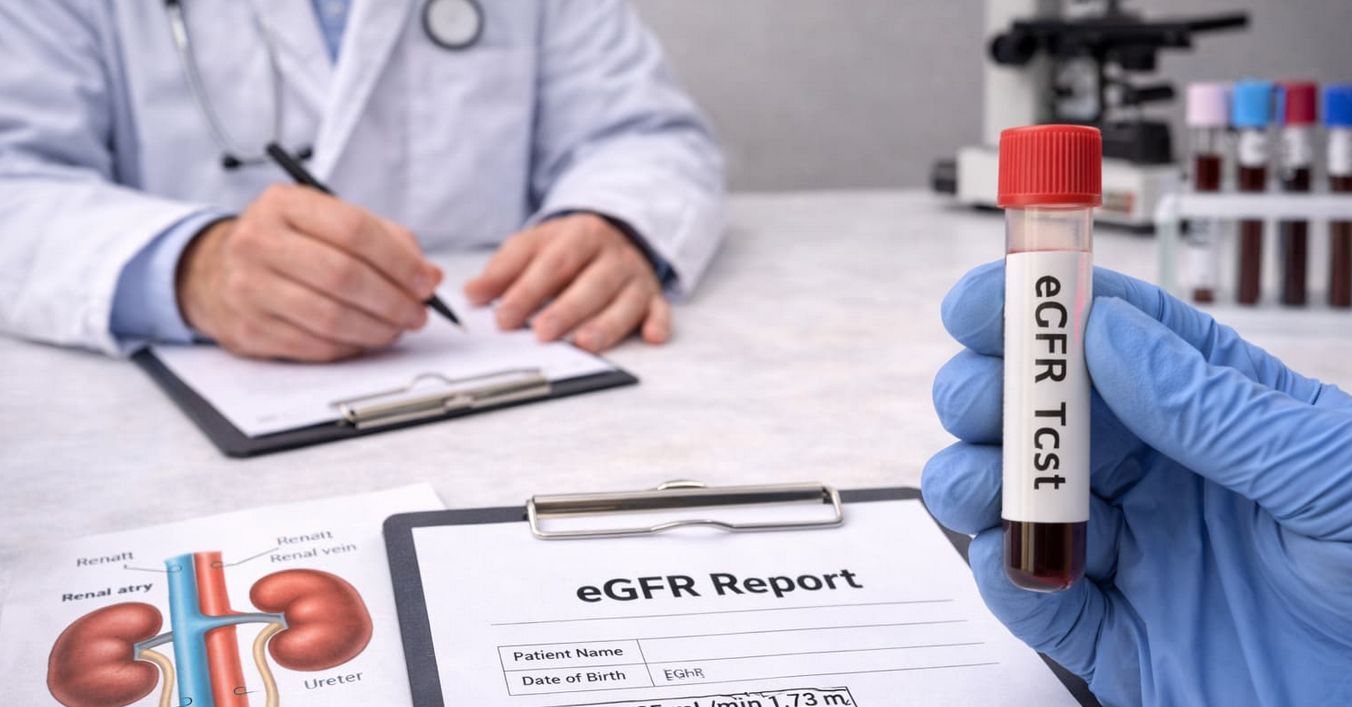
Comparison of creatinine and eGFR tests used to measure kidney function.
What Is eGFR?
The estimated glomerular filtration rate (eGFR) measures how well the kidneys filter waste from the blood. eGFR is calculated using blood creatinine levels along with factors such as age, gender, and body size.
Creatinine vs eGFR: Key Differences
- Creatinine: Measures the amount of waste product in the blood.
- eGFR: Estimates how efficiently the kidneys filter waste.
- Creatinine: A direct laboratory measurement.
- eGFR: A calculated value derived from creatinine.
Normal Creatinine and eGFR Levels
Typical ranges include:
- Creatinine: 0.6 – 1.3 mg/dL (depending on gender)
- eGFR: Above 90 mL/min is considered normal
When Creatinine and eGFR Indicate Kidney Disease
High creatinine levels combined with a low eGFR may indicate reduced kidney function or chronic kidney disease.
Understanding the stages of kidney disease can help identify severity. Learn more here: Chronic Kidney Disease Stages.
Symptoms of Abnormal Kidney Test Results
- Fatigue
- Swelling in legs or ankles
- Changes in urination
- Nausea
- High blood pressure
These symptoms may also appear during early kidney disease. Read more: Early Signs of Kidney Disease.
Why Kidney Function Tests Are Important
Routine kidney function tests can help detect kidney disease early, monitor existing conditions, and guide treatment decisions.
Doctors often perform a kidney function test to evaluate creatinine and eGFR levels.
When Should You See a Nephrologist?
If your kidney test results show abnormal creatinine or eGFR levels, it is important to consult a specialist. Our hospital provides expert care through our Best Nephrologist in Chennai services.
You can also contact us to schedule an appointment.
Frequently Asked Questions
What is the difference between creatinine and eGFR?
Creatinine is a waste product measured in the blood, while eGFR is a calculation that estimates kidney filtering capacity using creatinine levels.
What does a low eGFR mean?
A low eGFR may indicate reduced kidney function or chronic kidney disease.
Can creatinine levels change quickly?
Yes. Creatinine levels may change due to dehydration, medications, or kidney problems.